
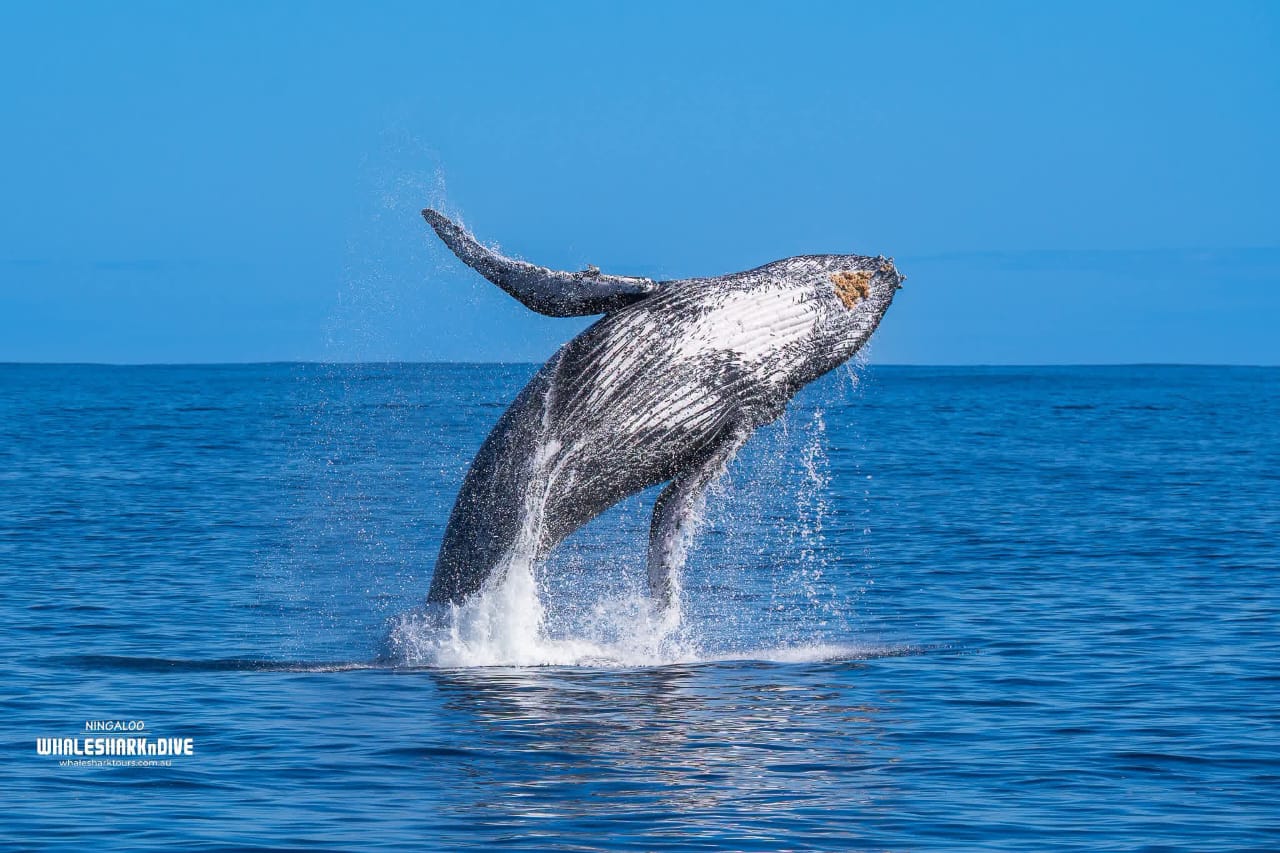
Encountering the Giants of the Indian Ocean
Mirissa ranks as one of the best destinations on Earth to observe Blue Whales—the largest creatures ever to inhabit our planet. Just a few nautical miles off the Mirissa headland, the continental shelf drops dramatically, creating deep, nutrient-rich upwellings that attract feeding cetaceans year after year.
Peak Whale Watching Months (November to April)
The southern coast benefits from calm seas and sunny skies from late autumn through spring:
- November – December: Whales begin migrating along the southern maritime corridor. Ocean conditions settle down after the monsoon.
- January – February: Excellent visibility, calm waters, and consistent sightings of Blue Whales, Sperm Whales, and large pods of Spinner Dolphins.
- March – April (Peak Peak): The absolute best window. Sighting success rates frequently top 95%, with mothers and calves frequently spotted feeding in mirror-calm waters.
The Off-Season: May to October
During the Southwest Monsoon, rough winds and heavy ocean swells make boat excursions uncomfortable and potentially unsafe. Most certified, responsible tour operators halt trips during these months.
What to Expect on a Morning Whale Safari
- Departure Time: Boats set sail from Mirissa Fisheries Harbour early, typically between 6:15 AM and 6:45 AM.
- Trip Duration: 3 to 5 hours depending on how far offshore the pods are feeding.
- Motion Sickness Preparation: Even on calm days, the rolling ocean swell can trigger nausea. Take motion sickness medication (available at any Mirissa pharmacy) 45 minutes before boarding.
How to Choose an Ethical Whale Watching Operator
Sustainable tourism is critical for protecting these majestic animals. Always choose an operator that adheres to international guidelines: maintaining a minimum 100-meter buffer, slowing engine speeds near pods, never boxing in or chasing whales, and never cutting across their path.



Reader Discussion 1
Questions or personal tips? Share your thoughts with fellow travelers.